ORIGINAL ARTICLE
HEALTH LITERACY REGARDING DIABETES MELLITUS AMONG INDIVIDUALS WHO HAVE UNDERGONE AMPUTATION
LETRAMENTO EM SAÚDE SOBRE O DIABETES MELLITUS DE PESSOAS QUE VIVENCIARAM A AMPUTAÇÃO
ALFABETIZACIÓN EN SALUD SOBRE LA DIABETES MELLITUS EN PERSONAS QUE VIVIERON UNA AMPUTACIÓN
https://doi.org/10.31011/reaid-2026-v.100-n.4-art.2830
1Stephany Celma Viana de Oliveira
2Isadora Jacob dos Santos Alves
3André Luiz Silva Alvim
4Thaís Vasconselos Amorim
5Andyara do Carmo Pinto Coelho Paiva
1Universidade Federal de Juiz de Fora, Juiz de Fora, Juiz de Fora, Brazil. ORCID: https://orcid.org/0009-0001-1812-8358
2Universidade Federal de Juiz de Fora, Juiz de Fora, Juiz de Fora, Brazil. ORCID: https://orcid.org/0009-0006-6906-1022
3Universidade Federal de Juiz de Fora, Juiz de Fora, Brazil. ORCID: https://orcid.org/0000-0001-6119-6762
4Universidade Federal de Juiz de Fora, Juiz de Fora, Brazil. ORCID: https://orcid.org/0000-0002-7686-4839
5Universidade Federal de Juiz de Fora, Juiz de Fora, Brazil. ORCID: https://orcid.org/0000-0002-3567-8466
Corresponding Author
Andyara do Carmo Pinto Coelho Paiva
Rua Ubá, 153/201, Democrata. Juiz de Fora, Minas Gerais. Brazil. CEP: 36035-260. Phone: +5532 98868-4685 - E-mail:luandyjf@yahoo.com.br
Submission: 18-06-2026
Approval: 11-09-2026
ABSTRACT
Objective: To understand health literacy regarding Diabetes Mellitus from the perspective of individuals living with the disease who have undergone lower-limb amputation. Method: This descriptive, exploratory, qualitative study was conducted with 11 patients at a primary health care unit between June and September 2025. Data were collected through semi-structured interviews. Data were analyzed using Bardin’s content analysis, and IRAMUTEQ software was used to organize the data. Results: Two thematic categories emerged: (lack of) knowledge about Diabetes Mellitus and its complications, and disease-control strategies. Participants lacked detailed knowledge about the disease and, in some cases, expressed misconceptions, limited knowledge, or nonspecific understandings; however, they demonstrated some awareness of its complications. They recognized that disease control requires lifestyle changes, although they were uncertain about the appropriateness of the practices they adopted. Final Considerations: Although participants demonstrated some degree of knowledge, it was insufficient or, in some cases, inconsistent. Misinformation and the absence of adequate guidance from healthcare professionals contributed to knowledge gaps, inappropriate practices, poor treatment adherence, and undesirable behaviors, compromising appropriate disease management.
Keywords: Diabetes Mellitus; Amputation, Surgical; Knowledge; Diabetes Complications; Health Literacy.
RESUMO
Objetivo: compreender o letramento em saúde sobre o Diabetes Mellitus na perspectiva da pessoa que convive com a doença e que sofreu amputação de membros inferiores. Método: estudo exploratório descritivo, de natureza qualitativa, realizado com 11 pacientes, em uma unidade básica de saúde, entre junho e setembro de 2025. Os dados foram coletados por meio de um roteiro de entrevista semiestruturado. A análise de dados foi realizada através da análise de conteúdo proposta por Bardin e, para a organização dos dados, foi utilizado o software IRAMUTEQ. Resultados: emergiram duas categorias temáticas: o (des)conhecimento sobre o Diabetes Mellitus e suas complicações e estratégias de controle da doença. Os participantes desconheciam de forma mais detalhada sobre a doença ou até mesmo apresentaram concepções errôneas, mínimas ou inespecíficas, mas demostravam algum conhecimento acerca das complicações da doença. Reconheceram que o controle da doença demanda mudanças nos hábitos de vida; contudo, manifestaram insegurança quanto à adequação das práticas adotadas. Considerações Finais: evidencia-se que, por mais que os participantes apresentassem algum nível de conhecimento, esse revelou-se insuficiente ou, em alguns casos, incoerente. Essa desinformação e a ausência de orientações adequadas por parte dos profissionais de saúde contribuíram para os déficits de conhecimento, para as práticas inadequadas, a baixa adesão ao tratamento e a adoção de condutas indesejáveis, comprometendo o manejo adequado.
Palavras-chave: Diabetes Mellitus; Amputação Cirúrgica; Conhecimento; Complicações do Diabetes; Literacia para a Saúde.
RESUMEN
Objetivo: comprender la alfabetización en salud sobre la Diabetes Mellitus desde la perspectiva de la persona que convive con la enfermedad y que ha sufrido una amputación de miembros inferiores. Método: estudio exploratorio descriptivo, de naturaleza cualitativa, realizado con 11 pacientes en una unidad básica de salud, entre junio y septiembre de 2025. Los datos fueron recolectados mediante una guía de entrevista semiestructurada. El análisis de los datos se realizó mediante el análisis de contenido propuesto por Bardin y, para la organización de los datos, se utilizó el software IRAMUTEQ. Resultados: surgieron dos categorías temáticas: el (des)conocimiento sobre la Diabetes Mellitus y sus complicaciones, y las estrategias de control de la enfermedad. Los participantes desconocían aspectos más detallados sobre la enfermedad o incluso presentaban conceptos erróneos, conocimientos mínimos o inespecíficos; sin embargo, demostraron algún conocimiento sobre las complicaciones de la enfermedad. Reconocieron que el control de la enfermedad requiere cambios en los hábitos de vida; no obstante, manifestaron inseguridad respecto a la adecuación de las prácticas adoptadas. Consideraciones finales: se evidencia que, aunque los participantes presentaban algún nivel de conocimiento, este se mostró insuficiente o, en algunos casos, incoherente. Esta desinformación y la ausencia de orientaciones adecuadas por parte de los profesionales de salud contribuyeron a los déficits de conocimiento, a las prácticas inadecuadas, a la baja adherencia al tratamiento y a la adopción de conductas no deseadas, comprometiendo el manejo adecuado de la enfermedad.
Palabras clave: Diabetes Mellitus; Amputación Quirúrgica; Conocimiento; Complicaciones de la Diabetes; Alfabetización en Salud.
INTRODUCTION
Diabetes Mellitus (DM) is a chronic disease characterized by metabolic disturbances in carbohydrate metabolism that result in persistent hyperglycemia. This alteration is directly related to insulin, due to deficiente insulin production or action, or both mechanisms. According to its etiology, type 1 Diabetes Mellitus (T1DM) is an autoimmune condition characterized by absolute insulin deficiency resulting from the destruction of pancreatic β-cells. In contrast, type 2 Diabetes Mellitus (T2DM) is multifactorial, involving insulin resistance in tissues followed by progressive loss of insulin secretion(1).
With a growing number of cases, DM ranks fifth among the leading causes of death worldwide, and T2DM accounts for the largest share of the global disease burden. The World Health Organization (WHO) estimates that 463 million people worldwide live with diabetes, the great majority of whom approximately 90% to 95%- have T2DM. According to the International Diabetes Federation (IDF), an estimated 15.7 million Brazilian adults aged 20 to 79 years were living with Diabetes Mellitus in 2021, placing Brazil among the countries with the largest number of people affected by the disease. This number is projected to reach 23.2 million by 2045. Importantly, 50% of this population was unaware of the diagnosis(2-3).
Complications are common and may be macrovascular, such as ischemic heart disease, cerebrovascular disease, and peripheral vascular disease, or microvascular, including diabetic nephropathy, retinopathy, and neuropathy. These conditions affect morbidity, mortality, and quality of life. A study conducted in Croatia with 382 people with diabetes found that the most frequent hospitalizations were related to diabetic foot disease, which was highlighted as the leading cause of lower-limb amputation(4-5).
Diabetic foot disease is a highly recurrent complication affecting approximately 18.6 million people worldwide. It results from diabetic neuropathy and/or peripheral arterial disease, contributing to nutritional deficits, depression, and increased mortality risk. Approximately 20% of people with diabetic foot disease undergo lower-limb amputation. Around 1.6 million amputations occur each year, predominantly affecting people with lower socioeconomic status and Black individuals(6).
Self-care deficits, particularly related to foot care, contribute to the development of ulcers, which may progress to amputation and cause physical and psychological suffering. These outcomes can be prevented or delayed through a daily care routine. Major challenges include poor adherence to this routine and the lack of a support network and encouragement from professionals and family members. For autonomous and effective selfmanagement, with better decision-making based on the assessment of alternatives and consequences, these individuals need to be equipped with knowledge(7-8).
The level of knowledge about DM varies according to educational attainment. People who remain in school longer tend to demonstrate greater understanding because of easier access to information. Misinformation may contribute to complications and poorer quality of life(9-12).
In this context, healthcare professionals, including nurses, should use educational processes to raise awareness among people living with diabetes through individual or group interventions, promoting meaningful improvements in knowledge, glycemic control, and disease self-management. By disseminating information about DM through individual consultations, home visits, support groups, or electronic-device applications, nurses empower individuals in self-care and reduce the likelihood of complications(13-14).
One way to disseminate this knowledge is through health literacy (HL), an educational tool used by these professionals to guide strategies that promote autonomy in patients’ health-related decision-making, well-being, and quality of life. HL is the ability to receive guidance, understand, evaluate, and apply information in everyday life, transforming it into self-care and health practices(15).
Investigating knowledge about DM, its complications, and control measures among people who have experienced an amputation due to the disease may support nurses in better planning and managing healthliteracy actions. Such actions can strengthen self-care capacity and contribute to improved management of the disease and its complications. This study aimed to understand health literacy regarding Diabetes Mellitus from the perspective of individuals living with the disease who had undergone lower-limb amputation.
METHODS
This descriptive qualitative study followed the Consolidated Criteria for Reporting Qualitative Research (COREQ)(16). It was incorporated into the broader project entitled “The phenomenon of living with a limb amputated as a result of Diabetes Mellitus.”
The study was conducted at a Primary Health Care Unit (PHCU) located in the southeastern region of a municipality in the Zona da Mata region of Minas Gerais, Brazil. The unit operates according to the Family Health Strategy model, serves a peripheral area, and provides care to an enrolled population of approximately 9,000 residents.
Eleven individuals living with lower-limb amputation participated in the study. Purposive sampling was used, without a predetermined sample size. Inclusion criteria were being registered at the PHCU, having Diabetes Mellitus regardless of time since diagnosis, and having undergone lower-limb amputation due to Diabetes Mellitus. Individuals with neurological sequelae that impaired cognitive function were excluded.
The number of participants was not defined in advance and was determined throughout data collection. Data collection ended when theoretical saturation was reached, that is, when the interviews no longer added relevant elements to the analytical categories, allowing an in-depth and consistent understanding of the phenomenon under study(17).
Data were collected from June to September 2025. The supervisor responsible for the PHCU was contacted to present the research proposal. She scheduled home visits with patients or provided their contact information and addresses to the research team, which then invited them to participate by telephone and/or in person.
Semi-structured interviews were used, based on a guide containing open-ended questions for participant characterization and the following guiding questions: “Tell me what you know about diabetes and its complications”; “Tell me what you know about measures to control diabetes”; “Tell me what healthcare professionals have explained to you about DM”; and “Tell me what you know about the measures you need to adopt in your life to control the disease - that is, what you need to do to keep your blood sugar within normal levels and prevent further complications.”
Interviews were conducted in person after participants signed the informed consent form. Participants chose the interview location; most selected their own homes, and only one chose the reference PHCU. During data collection, some individuals who had taken part in other interviews conducted for the broader project were lost to follow-up: three did not answer telephone calls or messages despite repeated attempts, making continuation impossible; one formally declined participation because of lack of time due to multiple scheduled medical appointments; and one reported moving to another municipality during the data-collection period, which prevented continued participation.
The interviews were audio-recorded using a smartphone, lasted an average of 29 minutes, and were subsequently transcribed manually, faithfully preserving information relevant to the study. Records were stored in Microsoft Word and Google Workspace applications. To preserve anonymity, participants were identified by the alphanumeric code “P” followed by the interview order number.
Data were analyzed using Bardin’s thematic content analysis(18). During pre-analysis, interviews were fully transcribed, read and reread, the corpus was organized, and the transcripts were imported into the qualitative data-analysis software Interface de R pour les Analyses Multidimensionnelles de Textes et de Questionnaires (IRAMUTEQ). The software primarily analyzes the structure and organization of discourse, enabling the identification of relationships among the lexical worlds most frequently expressed by study participants(19).
The material was then explored using IRAMUTEQ, including similarity analysis, which identifies cooccurrences among words and provides indications of their connectivity, facilitating understanding of the analyzed textual corpus. Coding, classification, and categorization were also performed(19). Subsequently, relevant literature was used as the theoretical framework for data interpretation.
The study began after approval of the
broader project by the Research Ethics Committee, under opinion no. 6,944,884 and
Certificate of Presentation for Ethical Appraisal (CAAE) no.
80432224.7.0000.5147.
RESULTS
The study included 11 participants, six men and five women, aged 49 to 84 years. Participants’ mean Monthly income was approximately one minimum wage (BRL 1,518.00). Most had not completed
elementary school, and only two had completed high school. Regarding marital status, four participants were widowed, three were married, and four were single; only two had no children.
All participants had T2DM. One had undergone more than one amputation, and six had other disease-related complications, such as reduced visual acuity and peripheral neuropathy. Regarding pharmacological treatment, one participant used oral antidiabetic agents exclusively, four used insulin only, and five used bothoral antidiabetic agents and insulin.
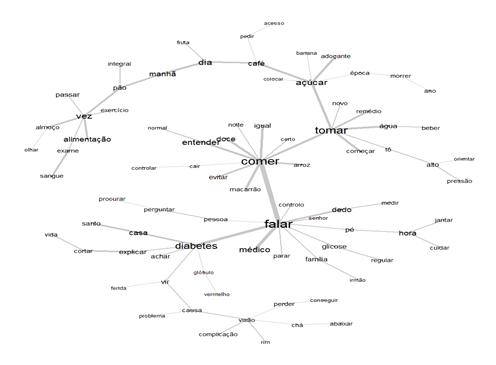
Figure 1 - Maximum tree of words obtained through similarity analysis. Source: The authors (2025).
Source: The authors, 2025
Two thematic categories emerged from data analysis: (lack of) knowledge about Diabetes Mellitus and its complications, and DM-control strategies.
(Lack of) knowledge about Diabetes Mellitus and its complications
Participants demonstrated limited understanding of what diabetes is and how the disease develops. Some associated its onset with infectious causes and other misconceptions. In addition, some participants reported being unaware of their own diagnosis, as illustrated below:
I don’t know anything about diabetes—how it came about, how it did not, or how it goes away. (P3)
All I know is that I am diabetic; I don’t know anything about it. What it
means, what the condition is, what happens. They did explain that I cannot get
cut and that I cannot do certain things, but diabetes itself, we do not know.
(P6)
Diabetes is caused by blood cells, right? I don’t know whether they are red,
larger, or white cells. I believe it is the white cells that consume the red
cells; other than that, I do not know anything. (P1)
I know it is a bacterium in the intestine that develops; some people are born
with it, and some develop it later. (P5)
I had a blood test and it did not show it. It showed anemia in the tests I had.
(P8)
Despite limited knowledge about diabetes, some participants mentioned heredity as a risk factor, although they were not certain of this information and based it on reports of cases among first-degree relatives. Others mentioned possible complications, including foot ulcers, amputations, impaired healing, visual impairment, kidney disease, and loss of sensation:
There is
a history in my family, but some had it and others did not. I am diabetic, but
my younger sister is not. So I do not know whether it is inevitable. (P1)
With diabetes, people do not feel it when they get hurt- that is what they tell me. (P2)
Like what happened to me: the wound did not heal, that ulcer. The doctor said
it was because of diabetes, and then I had to have all my toes amputated. (P3)
In the past, you did not hear people talking much about diabetes, but people think it is hereditary. (P4)
I know that not taking care of yourself causes amputation, loss of vision, and many other complications. (P5)
The first time they talked to me, they asked whether anyone in my family had it, and I think it is hereditary; everyone in my family has it. (P9)
At that time nobody knew; as far as I know, my father died of diabetes. (P10)
The complications are the kidneys, vision, and loss of sensation. (P11)
When discussing DM, participants reported receiving little or no explanation from healthcare professionals regarding the disease, its mechanisms, or its progression. Information provided, predominantly by physicians, focused on disease control, especially dietary advice:
They said I had to keep strict control and avoid many things. If I ate pasta, I could not eat rice; if I ate rice, I could not eat pasta. I only eat whole-grain pasta and things like that—lots of fruit and vegetables. (P2)
They only told me not to eat sweets and things that are bad for me. That was all. They say my blood glucose is high and that I cannot eat them. (P3)
They said I only have to watch my food, avoid salt and those things—sugar too. They only prescribed medication; they did not really provide guidance, only said to follow a diet. (P4)
They told me not to overdo sweets, not to cut myself, and to avoid cutting my nails with clippers. All of that became part of my life, so I avoid it. (P6)
Maintain an adequate diet, exercise, and drink plenty of water—that is what they tell us. (P9)
Some accounts highlighted inadequate communication by physicians when informing people about the disease, resulting in imprecise or mistaken information that caused shock, bewilderment, and helplessness:
The doctor told me, ‘This foot has to be scraped clean. Can I tell you the truth? It is all rotten. It is all Rotten and has to be removed.’ I said, ‘My God, where have I ended up? (P7)
They [the doctor] said it was a very stealthy, silent disease and that I could die at any moment. (P6)
Diabetes Mellitus control strategies
Participants reported frequent capillary blood glucose testing as part of their disease-monitoring routine, as well as periodic laboratory tests, such as blood tests. Another important aspect was their commitment to correctly administering prescribed medication at the times indicated by healthcare professionals. However, the lack of supplies, such as a blood glucose meter and lancets, was mentioned as the main barrier to monitoring as desired:
Every now and then I go to the health center and they prick my finger. I have blood tests regularly. (P1)
Avoid many things, follow the rules properly, and take the medicine on time. I test my finger to keep control and I am followed at Hospital X. Fifteen days before the appointment, I test my finger so I can take the results to her; she compares them with the others that are there. (P2)
I take insulin at the right time because I am used to it, and I do not buy [a glucose meter] because I do not have money. (P3)
I do not test every day because we do not have the thing to prick the finger. I test my glucose when I wake up and before dinner. I do not write it down. (P4)
I only test glucose twice, because now I do not test after lunch—I know what it
is like. (P6)
Pricking with the needle is awful, so I do it every two or three days. I have a
blood test every three months. (P9)
Another control measure mentioned by participants concerned diet. Many reported starting new diets, reducing their consumption of sugar and sweets, restricting carbohydrates in both amount and variety, and replacing sugar with sweeteners.
To keep it under control, do not eat any sweets—the so-called sweets—or foods with flour, and do not overdo rice. (P6)
I drink coffee with sweetener, and I stay like that all day. The only sugar I have is from fruit. (P2)
I am not having any sugar, only sweetener. I do not eat things that are bad for me—very sweet sugary things. I stopped everything. (P3)
Balance carbohydrates; avoid putting too many carbohydrates on the plate. If you eat rice, sometimes avoid cornmeal mush, pasta, or potatoes. You need to be aware of the amount you consume so that
the wound does not come back. (P4)
Despite
adopting lifestyle changes, participants were uncertain about the
appropriateness of these practices and acted according to what they believed
was most suitable. Their accounts also indicated a lack of appropriate professional
guidance regarding disease-control strategies:
The only thing I do—I do not know whether it is good—is that I do not combine foods. I do not eat two carbohydrates. I do not know whether that helps. I do not drink soda, and I consume a lot of lemon. I do not take it with water or anything; I take pure lemon. I do not know whether that is good, but they say it thins the blood, right? (P1)
When my toe was injured, a doctor around 60 years old came in and said, ‘I brought you a pack of cigarettes.’ I said, ‘I do not smoke.’ He said, ‘If you did not smoke, you would not have diabetes; this is from smoking.’ I had to remain quiet; I could not say anything. (P7)
From what the doctor told me, sweetener and sugar are the same thing; there is no difference. (P5)
Participants were concerned about controlling diabetes but also adopted inappropriate dietary habits, revealing limited knowledge about the most suitable disease-control measures and often relying on advice from laypeople. Some mentioned alternative strategies, such as consuming teas and fruit juices, believing these practices would help control blood glucose:
I know I cannot eat almost anything and have to follow a strict diet, as I am doing. I drink plenty of water and eat a lot of fruit. (P2)
I need to go back to drinking my teas, because my glucose was almost 500. I drank every kind of tea, and now I am monitoring it. I should have kept doing it, but I am not drinking my teas. I have basil growing down there, boldo, and ora-pro-nóbis. I also got some lemongrass because they said it is great for regulating glucose. (P5)
DISCUSSION
Similarity analysis based on graphs is a technique frequently used in qualitative studies because it demonstrates the connection between words in a textual corpus(20). In the graph presented in this study, the highlighted words were “talk,” “eat,” “take,” and “diabetes,” from which other words branched. The word “talk” was associated with words such as physician, stop, and foot, related to guidance provided by healthcare professionals. “Eat” and “take” were associated with words such as sweets, avoid, start, and medication, related to the control strategies known and practiced by participants. “Diabetes” was associated with words such as blood cell, cause, explain, and complication, related to knowledge of the disease and its complications.
A study on the knowledge of patients with Diabetes Mellitus found that most people understand some aspects of the disease, its pathophysiology, and the most recurrent complications(21). This finding partially corroborates the present study, which also identified incorrect information about the disease that directly affects its control. Although patients demonstrate some knowledge, it is extremely superficial, highlighting the need for deeper understanding of the disease to promote better control, treatment adherence, and a broader understanding of their own health condition.
Although the sample was small, more than 50% of participants were men, and more than half reported DM-related complications, including reduced visual acuity and peripheral neuropathy. Research shows that prolonged disease duration is directly associated with an increased likelihood of complications, including lower limb amputation. In addition, the highest prevalence of amputations occurs among men and older people(3- 4,22). These findings should, however, be interpreted cautiously, given the small sample size and specific characteristics of this study’s participants.
The incidence of complications, particularly amputations among people with diabetes, has increased by more than 50% in recent decades. Moreover, patients who undergo a first amputation have a significantly higher risk of subsequent amputations, underscoring the severity and progressive nature of DM-related complications. This is consistent with one of the cases identified in the present study(3-4,22).
Glycemic control is an important factor in diabetes management and contributes substantially to controlling plasma glucose levels. In this regard, T2DM self-management is extremely important because it favors the adoption of desirable lifestyle habits for disease control and management(23). In a study involving primary healthcare professionals, self-monitoring of blood glucose was reported as a highly beneficial practice for disease control, capable of significantly improving quality of life and clinical outcomes. However, poor adherence to blood glucose self-monitoring may be related to difficulty accessing supplies, such as needles needed for daily use, corroborating the findings of this study(24-25).
In Brazil, Law no. 11,347 of 2006 establishes that people with DM should receive the supplies needed for disease treatment, including medications and materials for capillary blood glucose monitoring(26).
When discussing DM treatment, adherence to pharmacological therapy should be emphasized because it is directly associated with reduced glycated hemoglobin (HbA1c) levels. Treatment with oral antidiabetic agents is highly clinically relevant; however, many patients discontinue therapy or do not obtain prescribed medications. Evidence indicates that adherence decreases as the number of prescribed medications increases. Conversely, patients using insulin show greater adherence than those receiving oral drug therapy(27).
The main consequence of poor therapeutic adherence is inadequate glycemic control, which increases the risk of complications such as diabetic foot. High levels of adherence to pharmacological therapy are associated with lower disease-related hospitalization rates and, consequently, reduced T2DM treatment costs(27). Participants did not demonstrate sufficient knowledge to establish causal relationships between adherence to pharmacological and nonpharmacological diabetes treatment and disease progression. They also did not recognize the relationship between adherence and DM control, or between poor adherence and the risk of disease progression. This limited understanding may contribute to inadequate control measures and, consequently, disease worsening.
There are also gaps in knowledge about nutrition, physical exercise, adherence to pharmacological therapy, and the impact of alcohol and tobacco use on diabetes(9-12). Participants appeared to have knowledge about nutritional therapy, especially regarding control of sugar and carbohydrate intake. However, this knowledge is insufficient to promote behavioral changes, since evidence indicates a high prevalence of overweight and metabolic risk(28).
Food involves more than providing nourishment and meeting bodily needs; it also has emotional, cultural, and behavioral dimensions. The need for dietary restrictions and daily food control can generate feelings of obligation and aversion, which may also lead to poor treatment adherence. Nevertheless, adherence to healthy diets is directly associated with the prevention and control of chronic diseases. A significant reduction inbiomarkers of hyperinsulinemia and chronic inflammation is known to contribute to lower cardiovascular-event risk and mortality(12,21).
The use of medicinal plants, especially as teas, is common among these patients, as observed in this study; however, this practice occurs without professional guidance or prescription. Studies show that phytotherapeutic agents may complement diabetes management by assisting glycemic control, increasing insulin sensitivity and lipid metabolism, and reducing inflammation and oxidative stress. However, knowledge gaps remain and require future investigation to support more targeted therapeutic use, as well as training for healthcare professionals to address and guide these practices(21,29-30).
The level of health literacy is directly related to therapeutic adherence: the more complete and in-depth it is, the greater the likelihood of acceptance and continuity. The present study reveals insufficient or distorted information provided by healthcare professionals. Raising awareness among people facing this disease requires welcoming care, stronger patient–professional relationships, and interventions focused on health education(25,28).
This study indicates that limited knowledge is often a determinant of poorer outcomes, including amputation. Health-education interventions for people with DM are essential to improving knowledge and achieving better disease-management outcomes. Evidence indicates that individuals who receivesystematic guidance spend less on treatment than those who are not counseled(23).
Health education is a fundamental pillar for improving quality of life because it promotes informed decisionmaking, self-care behaviors, and problem-solving capacity. In this sense, these interventions empower patients and strengthen their autonomy. Thus, health education has a meaningful impact on diabetes control and is a successful and widely recommended strategy(23).
Nurses play a fundamental role in the multidisciplinary team actively involved in managing these patients, even though they were not explicitly mentioned in the present study. They are essential to health promotion, health education, and encouragement of self-care, contributing significantly to the prevention of complications and improvement in this population’s quality of life(3).
This study was limited to people receiving care through the Brazilian Unified Health System,
which may restrict the transferability of the findings to people with Diabetes Mellitus followed in private services or other healthcare contexts. This characteristic should be considered when interpreting the findings, since different care settings may influence experiences, access to care, and disease-management strategies.
FINAL CONSIDERATIONS
This study identified significant knowledge gaps among patients with DM who had undergone lower-limb amputation. Although participants demonstrated some degree of knowledge, it was insufficient or, in some cases, inconsistent. This misinformation and the lack of adequate guidance from healthcare professionals contributed to knowledge deficits, inappropriate practices, poor treatment adherence, and undesirable behaviors, compromising appropriate management and increasing the risk of complications, including the amputations identified among study participants.
The findings further reinforce the importance of health-education interventions aimed at promoting autonomy, empowerment, self-care, and more informed decision-making among people with DM. In this perspective, nursing education prepares nurses to work with an emphasis on health promotion and prevention of health problems, positioning them as strategic and qualified professionals to provide guidance, welcoming care, capacity building, and continuous follow-up.
The development of public policies, implementation of ongoing educational interventions, and integrated work by the multidisciplinary team are necessary to ensure access to high-quality information, reduce the incidence of complications, and provide comprehensive, humanized care for people with Diabetes Mellitus.
REFERENCES
1.
American Diabetes Association Professional Practice Committee. 2. Diagnosis and
classification of diabetes: Standards of care in diabetes-2024. Diabetes Care.
2024;47(Suppl 1):S20–S42.
doi:10.2337/dc24-S002.
2. Ministério da Saúde (BR). Secretaria de Vigilância em Saúde e Ambiente.
Departamento de Análise Epidemiológica e Vigilância de Doenças Não
Transmissíveis. Vigitel Brasil 2023: vigilância de fatores de risco e proteção
para doenças crônicas por inquérito telefônico. Brasília: Ministério da Saúde;
2023. Available from:
https://bvsms.saude.gov.br/bvs/publicacoes/vigitel_brasil_2023.pdf
3. Santos JVP, Araújo PVB, Marinho CS, David RAR, Paranhos RFB. Prevalência de
amputações em indivíduos diabéticos atendidos em um Centro de referência. Estima,
Braz J Enterostomal Ther. 2023;21:e1446. doi:10.30886/estima.v21.1446_PT.
4. Kolarić V, Svirčević V, Bijuk R, Zupančič V. Chronic complications of diabetes and quality of life. Acta Clin Croat. 2022;61(3):520-527. doi:10.20471/acc.2022.61.03.18.
5. Templer S, Abdo S, Wong T. Preventing diabetes complications. Intern Med J. 2024;54(8):1264-1274. doi:10.1111/imj.16455.
6. Armstrong DG, Tan TW, Boulton AJM, Bus SA. Diabetic foot ulcers: a review. JAMA. 2023;330(1):62-75. doi:10.1001/jama.2023.1057.
7. Lima PC, Bittencourt GKGD, Nogueira WP, Dias TKC, Dantas JS, Carvalho MAP. Main self-care déficits found in elderly people with diabetic foot ulcer: an integrative review. Aquichan. 2023;23(3):e2336. doi:10.5294/aqui.2023.23.3.6.
8.
Malheiro MI, Vinagre MG, Colaço SI, Flora MC, Paixão MJ, Figueiredo IC, et al.
Self-management of diabetes in adolescence: experience of Portuguese young
adults and their parents. Acta Paul Enferm. 2024;37:eAPE00092.
doi:10.37689/acta-ape/2024AO00000922.
9. Carvalhais M, Oliveira A, Fontoura P, Martins AL, Oliveira AR, Jesus D, et
al. Adolescents with DM1: knowledge about disease and difficulties in
self-care. Revista de Investigação & Inovação em Saúde. 2023;6(2):51-62.
doi:10.37914/riis.v6i2.270.
10. D’Ornellas ACS, Bomtempo APD, Seixas MB, Cândido GN, Nascimento IO, Loiola LC, et al. Necessidades educacionais de indivíduos que vivem com diabetes em Minas Gerais: um estudo qualitativo. HU Revista. 2024;50:1-9. doi:10.34019/1982-8047.2024.v50.44207.
11. Neves LF, Assunção SC, Cunha AC, Andrade RES, David LS, Pinho L. Knowledge of physiological aspects, clinical management, and nutrition among patients with type 2 diabetes mellitus. Rev Chil Nutr. 2023;50(5):503-512. doi:10.4067/S0717-75182023000500503.
12. Wang D, Liu Z, Liu Y, Zhao L, Xu L, He S, et al. Knowledge, attitudes, and practices among patients with diabetes mellitus and hyperuricemia toward disease self-management. Front Public Health. 2024;12:1426259. doi:10.3389/fpubh.2024.1426259.
13. Birati Y, Yefet E, Perlitz Y, Shehadeh N, Spitzer S. Cultural and digital health literacy appropriateness of app- and web-based systems designed for pregnant women with gestational diabetes mellitus: scoping review. J Med Internet Res. 2022;24(10):e37844. doi:10.2196/37844.
14. Butayeva J, Ratan ZA, Downie S, Hosseinzadeh H. The impact of health literacy interventions on glycemic control and self-management outcomes among type 2 diabetes mellitus: a systematic review. J Diabetes. 2023;15(9):724-735. doi:10.1111/1753-0407.13436.
15. Peres F. Health literacy? Adapting and applying the concept of health literacy in Brazil. Cien Saude Colet. 2023;28(5):1563-1573. doi:10.1590/1413-81232023285.14562022.
16.
Souza VRS, Marziale MHP, Silva GTR, Nascimento PL. Translation and validation
into Brazilian Portuguese and assessment of the COREQ checklist. Acta
Paul Enferm. 2021;34:eAPE02631.
doi:10.37689/acta-ape/2021AO02631.
17. Campos CJG, Saidel MGB. Amostragem em investigações qualitativas: conceitos
e aplicações ao campo da saúde. Rev Pesqui Qual. 2022;10(25):404-424.
18.
Bardin L. Análise de conteúdo. 4th ed. São Paulo: Edições 70; 2020.
19. Vizeu CB, Justo AM. IRAMUTEQ: um software gratuito para análise de dados
textuais. Temas Psicol. 2013;21(2):513-518. doi:10.9788/TP2013.2-16.
20. Bento LA, Lima MDM, Borges MFC. Análise de similitude utilizada para identificar relações entre palavras dentro de um corpus textual. Rev Ibero-Am Humanid Cienc Educ. 2024;10(11):3137-3143. doi:10.51891/rease.v10i11.16702.
21.
Benato, Santos ACF, Costa MA, Benetoli A, Possagano GCH. Estudo qualitativo
sobre o conhecimento e vivências de pessoas com diabetes mellitus atendidos em
uma farmácia municipal. Rev Ciênc Méd Biol. 2024;23(2):419-426.
doi:10.9771/cmbio.v23i2.57589.
22. Walicka M, Raczyńska M, Marcinkowska K, Lisicka I, Czaicki A, Wierzba W, et
al. Amputations
of lower limb in subjects with Diabetes Mellitus: reasons and 30-day mortality. J Diabetes Res. 2021;2021:8866126. doi:10.1155/2021/8866126.
23. Alam AS, Samiasih A, Mubin MF, Pranata S, Dhamanik R. Types of nursing intervention on improving quality of life among patients with Diabetes Mellitus: a systematic review. Curr Diabetes Rev.2024;20(3):e290823220467. doi:10.2174/1573399820666230829103016.
24.
Hamshari S, Hamadneh S, Ajlone AM, Mashni AW, Jubeh MA. Knowledge, attitude,
and practice (KAP) of primary health physicians towards glucose self-monitoring
in patients with type 2 diabetes mellitus in Palestine. BMC Prim Care.
2025;26(1):33. doi:10.1186/s12875-025-02720-5.
25. Muhammad Haskani NH, Goh HP, Wee DVT, Hermansyah A, Goh KW, Ming LC.
Medication knowledge and adherence in type 2 diabetes mellitus patients in
Brunei Darussalam: a pioneer study in Brunei Darussalam. Int J Environ Res
Public Health. 2022;19:7470. doi:10.3390/ijerph19127470.
26. Brasil. Lei nº 11.347, de 27 de setembro de 2006. Brasília: Diário Oficial
da União; 2006.
27. Kolars B, Minakovic I, Grabovac B, Zivanovic D, Mijatovic Jovin V. Treatment
adherence and the contemporary approach to treating type 2 diabetes mellitus. Biomed
Pap Med Fac Univ Palacky Olomouc Czech Repub. 2024;168(2):97-104.
doi:10.5507/bp.2024.009.
28. Padrón SAT, Guandalini CCV, Ouriques NS. Conhecimento nutricional e percepção de risco em pacientes com Diabetes Mellitus tipo 2 no Brasil: uma análise clínica transversal. Rev Eletrônica Acervo Saúde. 2025;25(9):e21279. doi:10.25248/reas.e21279.2025.
29. Bas KU, Kopuz TNY. Therapeutic prospects of phytochemicals in diabetes: insights from recent clinical evidence. Endokrynol Pol. 2025;76(6):586-593.
30.
Siam NH, Eti NAT, Mim AA, Hossen MD, Tabassum T, Sarker P, et al. Ginkgo biloba
L. as a potential alternative therapy to improve the management of diabetes: an
overview on phytochemical insights, mechanisms, and therapeutic applications. Int
J Vitam Nutr Res. 2025;95(4):38103.
doi:10.31083/IJVNR38103.
Funding:
The research received no funding.
Conflict of interest statement
None to declare.
Data availability statement
No datasets were generated in this study. The information presented is described in the body of the article.
Authorship criteria (author contributions)
All authors contributed substantially to the conception and/or planning of the study; 2. to the acquisition, analysis, and/or interpretation of data; 3. as well as to the drafting and/or critical revision and final approval of the published version.
Scientific Editor: Francisco Mayron Morais Soares. ORCID: https://orcid.org/0000-0001-7316-2519
Rev Enferm Atual In Derme 2026;100(4): e026111